All Categories
Featured

Mapping Economic Sectors for 2026
Dexterity matters more than perfection. Markets are moving quicker, and competitive pressures can alter rapidly. Building a culture where your team is motivated to pivot when new information appears helps guarantee your methods stay relevant. The most effective business are those that examine and modify their strategies frequently in reaction to fresh rival intelligence.
Comprehending these restrictions assists guarantee that your findings are translated correctly and used wisely. Not all rival information is public or dependable.
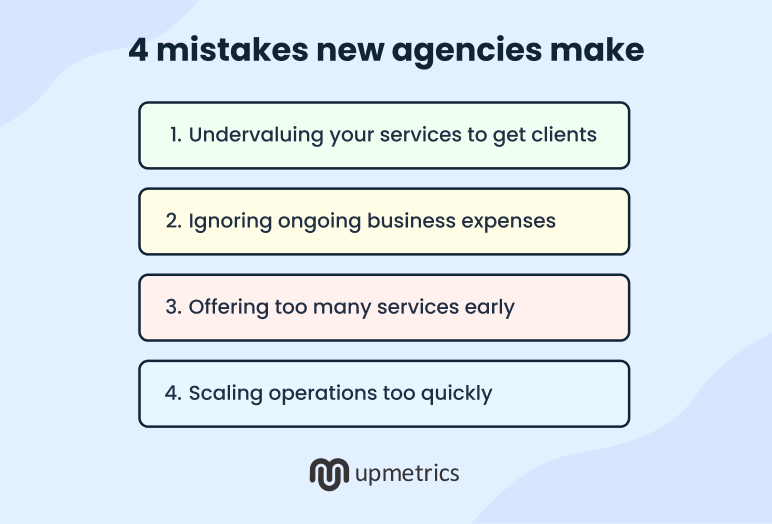
[target1:anchor_exact1]
Rather of creating value, companies may wind up chasing trends. This technique waters down brand name identity and frequently results in strategic confusion. A well-rounded analysis consists of both competitive intelligence and a strong understanding of your core value proposition. With numerous tools and metrics offered, groups can become overwhelmed. Excessive data without a clear framework can result in decision paralysis.
A common mistake is seeing competitive research in seclusion. Your analysis should sit within a broader market research and competitive analysis strategy.

As competitors intensifies across markets, the method companies approach competitive market analysis is undergoing a significant shift. Standard techniques of keeping an eye on rivals are being enhancedor in many cases, replacedby more advanced, technology-driven approaches. For brands aiming to lead instead of follow, understanding and embracing these emerging patterns is no longer optional.

Latest Posts
Upcoming Sector Trends in the United States
Mapping Economic Sectors for 2026
Top Growth Benchmarks for Domestic Industries